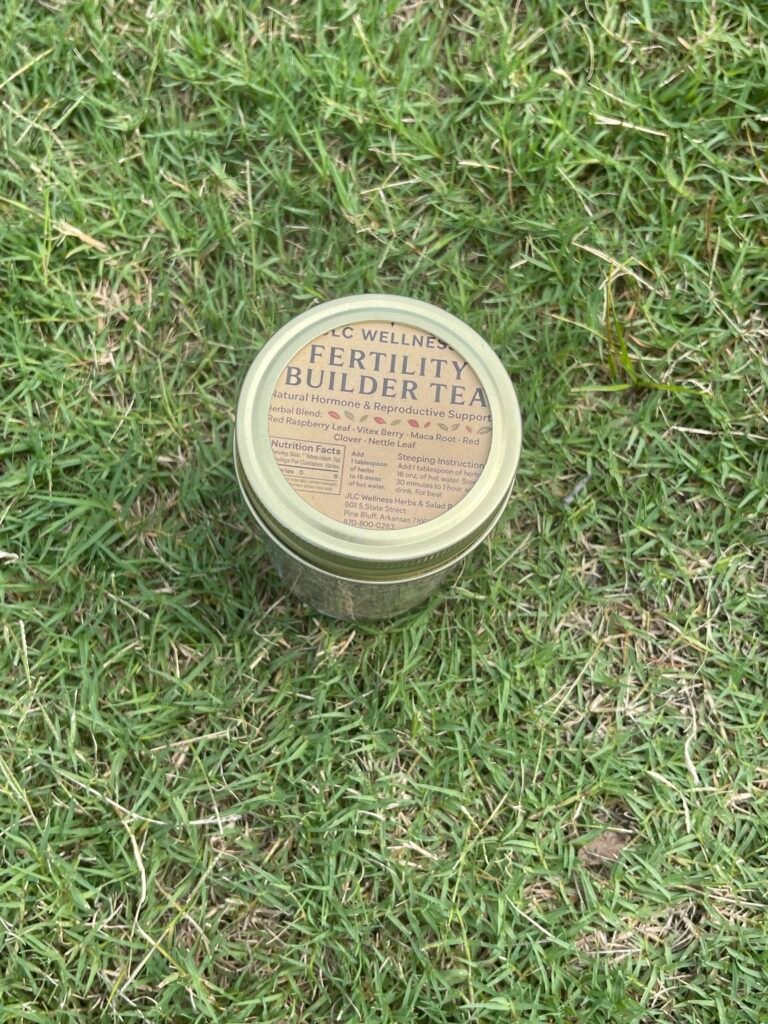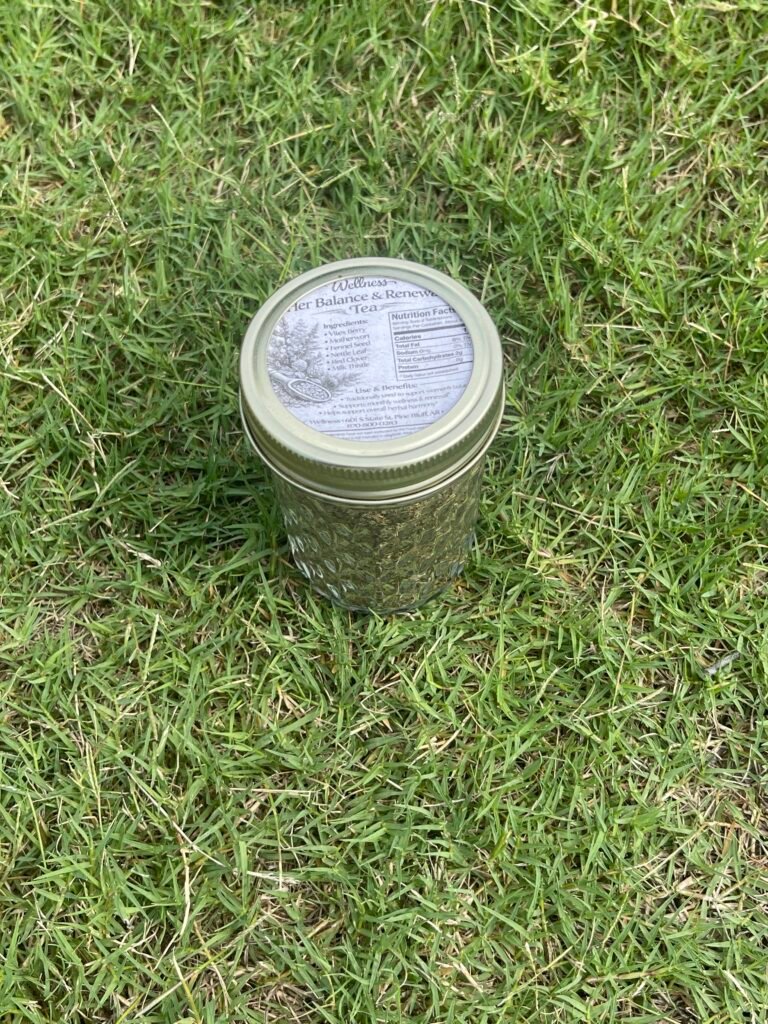
Women’s wellness can change significantly across different stages of life. Hormones influence the menstrual cycle, mood, sleep, metabolism, bone health, reproductive health, and many other body systems.
Hormonal changes can be affected by age, stress, sleep quality, nutrition, body weight, pregnancy, medications, reproductive conditions, and natural transitions such as perimenopause and menopause. Inadequate nutrition, chronic stress, and poor sleep can sometimes make symptoms such as fatigue, mood changes, menstrual discomfort, and irregular cycles feel more pronounced.
Supporting women’s wellness means nourishing the whole body rather than focusing on hormones alone.
Natural Ways to Support:
- Eat adequate protein and healthy fats
- Include mineral-rich and iron-rich foods
- Maintain regular physical activity and resistance exercise
- Prioritize sleep
- Practice diaphragmatic breathing, meditation, or other stress-management techniques
- Get appropriate sunlight exposure
- Spend time outdoors
- Track menstrual patterns and symptoms when helpful
Foods to Include:
- Leafy greens
- Berries
- Eggs
- Fish
- Beans and lentils
- Avocado
- Nuts and seeds
- Cruciferous vegetables
- Iron-rich foods
- Whole grains
- Fermented foods if tolerated
Foods to Limit:
- Excess added sugar
- Highly processed foods
- Excess alcohol
- Very restrictive diets
- Excess caffeine if it worsens anxiety, sleep, or menstrual symptoms
Women using hormonal medications, fertility treatments, or managing hormone-sensitive conditions should consult a healthcare professional before using hormone-active herbs.