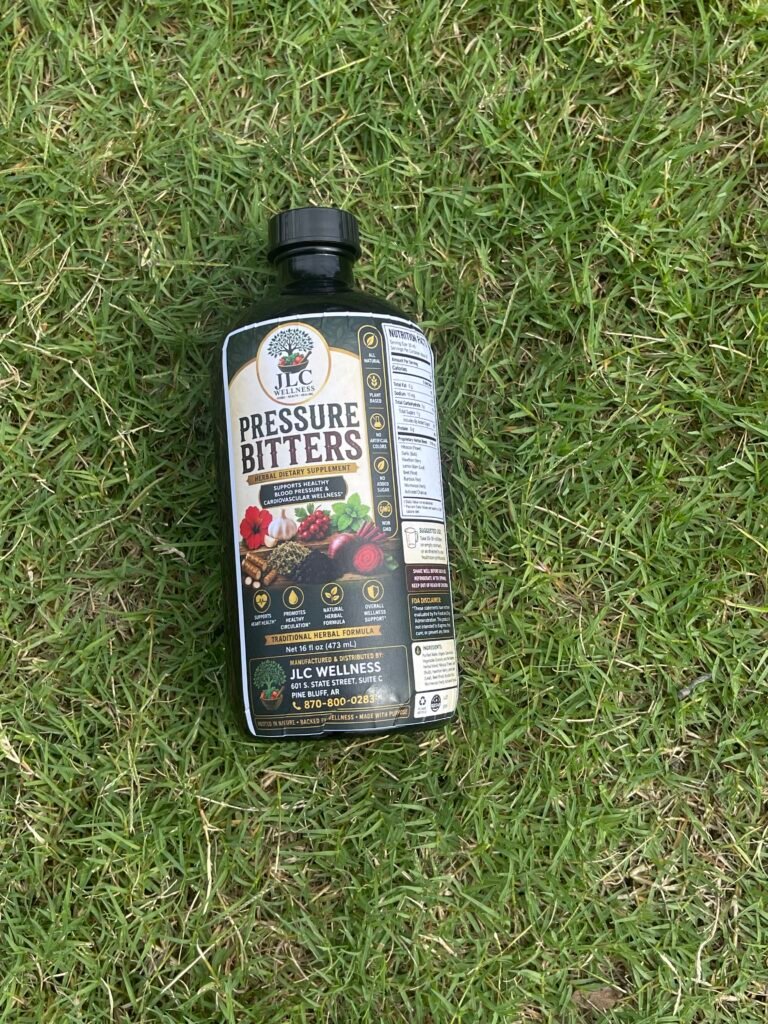
Blood pressure is the force of blood moving against the walls of the arteries. It can become elevated when blood vessels become less flexible, when the body retains too much sodium or fluid, or when the heart and circulatory system are under ongoing strain.
High sodium intake, low potassium intake, inactivity, chronic stress, poor sleep, smoking, excess alcohol, obesity, kidney problems, genetics, and aging can all contribute to higher blood pressure. Some people may have elevated blood pressure without noticeable symptoms, which makes regular monitoring important.
Supporting healthy blood pressure involves protecting the heart, improving circulation, managing stress, and maintaining healthy mineral and fluid balance.
Natural Ways to Support:
- Walk regularly and stay physically active
- Practice slow diaphragmatic breathing for several minutes each day
- Prioritize restorative sleep
- Stay adequately hydrated
- Spend time outdoors and get regular sunlight
- Use grounding or barefoot time on natural surfaces as a calming mindfulness practice
- Reduce excessive sodium intake
Foods to Include:
- Beets
- Leafy greens
- Berries
- Garlic
- Beans and lentils
- Avocado
- Unsalted nuts and seeds
- Bananas
- Sweet potatoes
- Fish and omega-3-rich foods
Foods to Limit:
- Excess salt
- Processed meats
- Fast food
- Highly salted packaged foods
- Sugary beverages
- Heavy alcohol intake
- Foods high in trans fats
If you take medication for blood pressure, heart disease, or blood thinning, consult your healthcare provider before adding herbs that may also influence blood pressure.